The upholstery you choose for your home theater seating decides how the seats feel during a two-hour film, how they look under dim lighting, and how much work they take to keep clean. This guide compares the four upholstery options we offer, top-grain leather, microfiber leather, suede and velvet or other fabrics, and explains which one suits which kind of home theater.
Home Theater Seating Upholstery at a Glance
| Top-grain leather | Smooth, cool at first, softens with use | Higher | Wipe clean | Families, frequent use, a classic cinema look |
| Microfiber leather | Soft and even | Mdeium | Wipe clean | A leather look on a lower budget |
| Suede | Soft, matte, warm | Medium | Brush and spot clean | Low-glare, luxury rooms used by adults |
| Velvet and other fabrics | Warm, plush, breathable | Low, medium to high | Vacuum and spot clean | Warm, and a cosy lounge feel |
Top-Grain Leather
Top-grain leather is the most popular choice for home theater recliners. It is the outer layer of the hide with the surface lightly corrected, so it resists wear and keeps its shape for many years. Spills wipe off with a damp cloth, which is why most families with children choose it.
Leather feels cool when you first sit down and warms to body temperature within a few minutes. In very hot rooms without air conditioning, some people find it less breathable than fabric. For a closer look, read the pros and cons of leather theater recliners.

Microfiber Leather
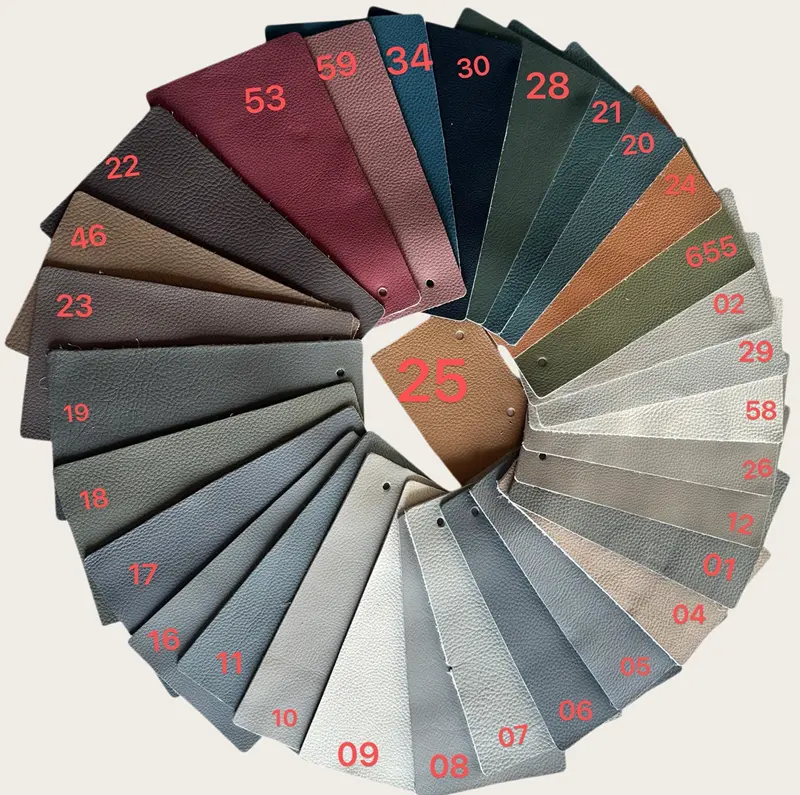
Microfiber leather is a man-made material with a fine fibre base and a leather-like surface. It looks very close to real leather, feels soft, and costs less. Like leather, it wipes clean easily, and it is a good choice if you want a leather look across a long row of seats without the price of top-grain hide.
Many of our customers choose it for larger rooms. See our microfiber home theater seating as an example.
Suede
Suede has a soft, brushed surface with a matte finish. It feels warm and luxurious, and because it does not reflect light, it suits a dark, dedicated theater room where you want to avoid glare from the screen.
The trade-off is care. Suede marks more easily than leather, so it works best in rooms used mainly by adults. Brush it regularly and treat spills straight away with a dry cloth.
Velvet and Other Fabrics
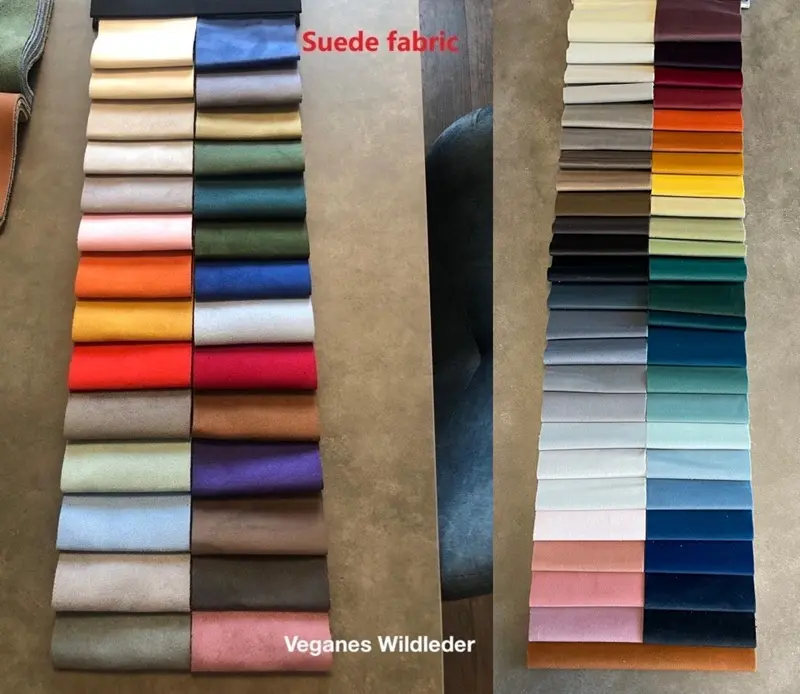
Velvet and woven fabrics feel plush and warm and let air through, so they stay comfortable in warm climates and during long viewing sessions. They also come in the widest range of colors, from deep blue and green to bright yellow.
Fabric needs regular vacuuming and prompt spot cleaning, and lighter colors show marks sooner. A darker shade or a fabric with a stain-resistant finish is the safer choice for family rooms.
How to Choose the Right Upholstery for Your Room
If you have children or pets
Choose top-grain leather or microfiber leather. Both wipe clean, and neither holds onto hair or crumbs the way fabric can.
If your room is warm or has no air conditioning
Choose velvet or another breathable fabric, which stays comfortable for longer than leather in the heat.
If you want the darkest, most cinema-like room
Choose a dark, matte material such as suede or a dark fabric. Matte surfaces reflect less light from the screen than glossy leather, so the room stays darker during a film.
If you want the lowest upkeep over many years
Choose top-grain leather. It lasts the longest and needs only occasional wiping and conditioning.
Colors and Stitching
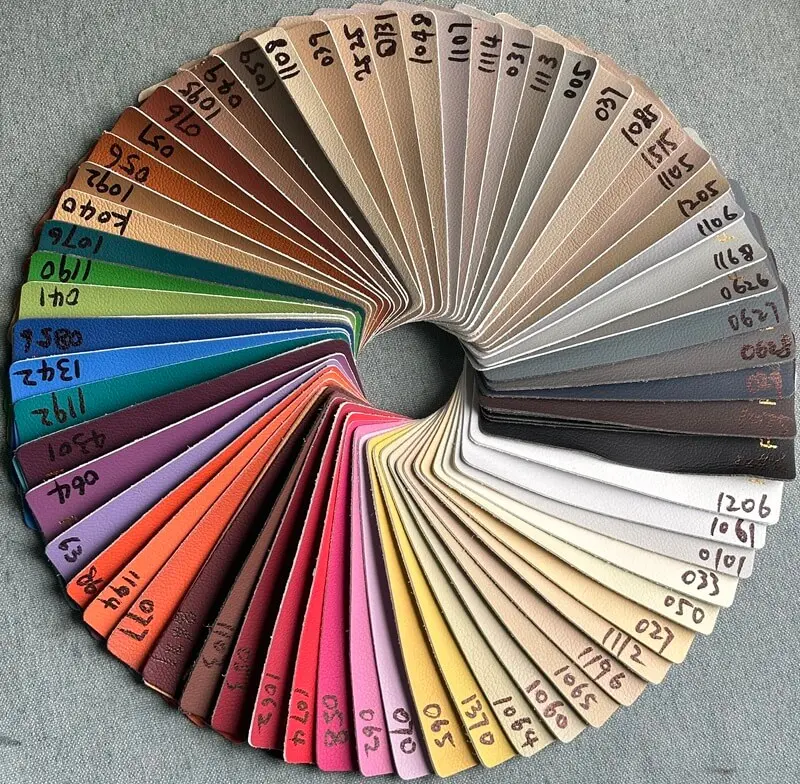
Every material is available in multiple colors, including black, brown, cream, red, blue and grey etc.. Black, grey and dark brown are the most popular for dedicated theater rooms because they absorb light. Contrast stitching and diamond-stitched headrests add detail without changing the material. Because we build to order, you can also mix materials and colors on the same seat. See custom home theater seating for everything you can change.
Caring for Your Home Theater Seating Upholstery
- Leather and microfiber leather: wipe with a soft, damp cloth. Condition leather once or twice a year, and keep it out of direct sunlight.
- Suede: brush regularly to lift the nap, and blot spills straight away. Avoid soaking the surface.
- Velvet and fabric: vacuum weekly with a soft brush attachment and spot clean marks with a mild cleaner tested on a hidden area first.
Home Theater Seating Upholstery FAQs
What is the most durable fabric for home theater seating?
Top-grain leather is the most durable option. It resists wear, keeps its shape and is the easiest to clean, which makes it the usual choice for family home theaters.
Is leather or fabric better for a home theater?
Leather is better if you want easy cleaning and long life. Fabric is better if you want a warm, breathable feel or a wider choice of colors. For a very dark room, a matte fabric or suede reflects less light than leather.
Is microfiber leather good for home theater seating?
Yes. Microfiber leather looks close to real leather, feels soft, wipes clean and costs less, so it is a practical choice for long rows of seats.
Can I choose a Mixed Upholstery for the same seat?
Yes. Because each order is built to order in our factory, you can choose the material, color and stitching for every seat, or mix two materials on the same reclining chair.
Ready to choose? Browse our home theater recliners and tell us which material you prefer. We will send samples and a quote.